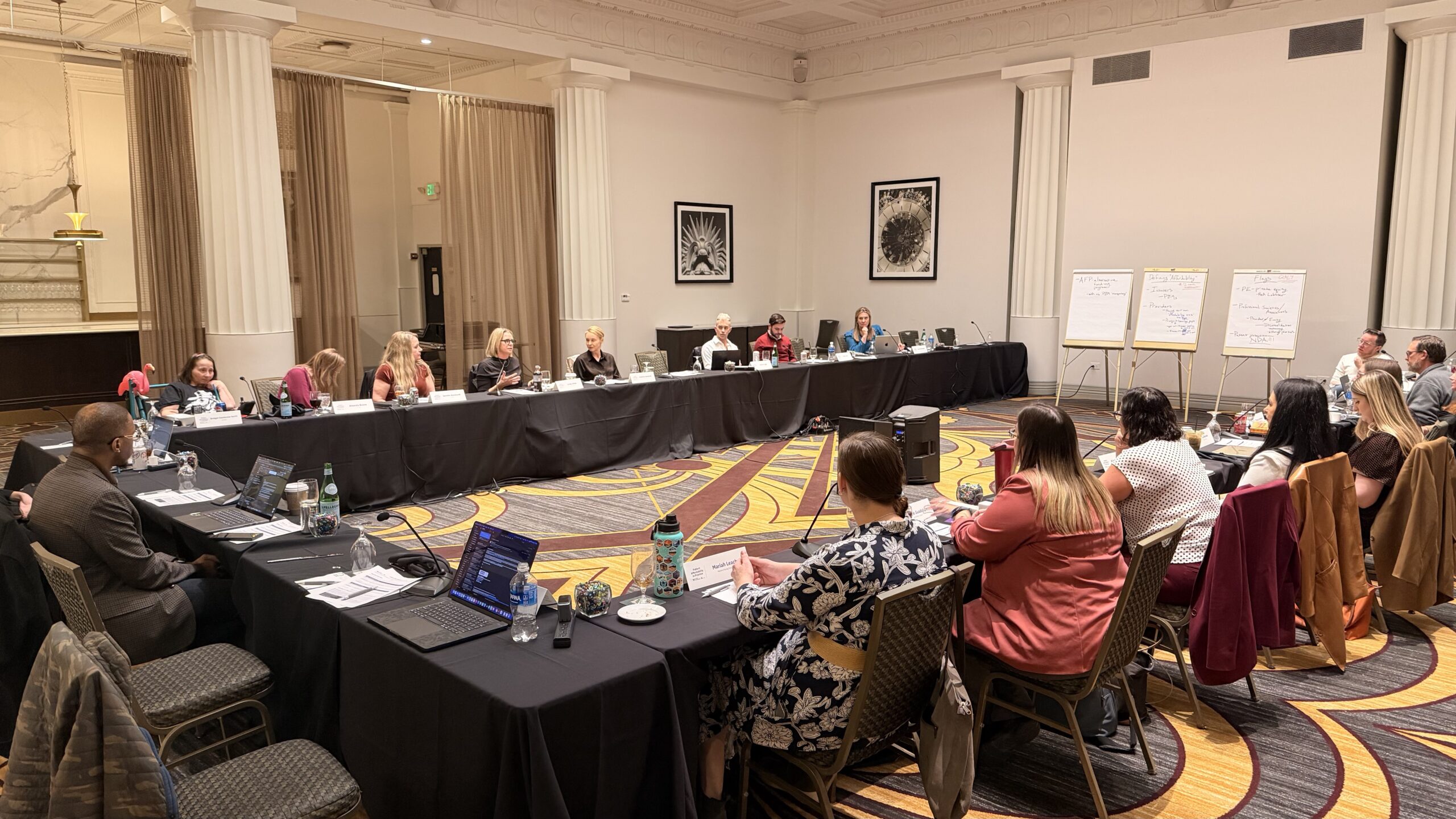
At Lupus Colorado, we know that real progress happens when people come together, share openly, and commit to lifting one another up. That spirit was fully alive at our recent Patient Affordability Roundtable, hosted in partnership with Community Access National Network. This gathering brought together a powerful group of advocates and organizations, including End of Endo Project, Mamas Facing Forward, Chronically Informed, ACT NOW, CF United, Chronic Care Collaborative, Michigan Lupus Foundation, National Bleeding Disorders Foundation- CO and Colorado Patients Taking Action.
Centering Community as a Strategy
One of the most meaningful threads throughout the roundtable was a deep and intentional conversation about community building, not just as a value, but as a strategy for change.
We had the opportunity to dig deeper into what it truly takes to build and sustain a strong, effective community. At Lupus Colorado, we see every day that investing in people drives lasting change. Our ongoing collaboration with partners like ACT NOW, CF United, and Chronic Care Collaborative reflects a shared commitment to trust, connection, and leadership that strengthens the entire ecosystem. When we intentionally support one another and follow through on that investment, individuals step forward not just to participate, but to lead, advocate, and create meaningful change for their communities.
That insight carried throughout the conversation. Community is not built overnight. It is cultivated through consistency, care, and a willingness to grow together.
A Deeper Look at Affordability and Who It Impacts
Building on that foundation, the group explored one of the most important questions in our work: how we define affordability.
Too often, systems are designed around averages, what works for a typical patient. But in our communities, especially among those living with complex, chronic conditions like lupus, there is no such thing as typical.
We discussed the distinction between common and complex patient experiences and how policies that appear effective on paper can fall short when applied to real lives. This conversation reinforced a shared understanding that affordability must reflect lived experience, not simplified models.
Learning Across State Lines
These conversations naturally expanded into a broader exchange of ideas across states.
While each state operates within its own policy landscape, many of the challenges we face are deeply aligned. From patient protections to reimbursement policy and affordability frameworks, participants shared both barriers and promising approaches.
There is real momentum in learning from one another. Every insight shared strengthens our collective ability to advocate more effectively and to bring forward solutions that are grounded in both policy and lived experience.
Policy Conversations That Matter
With that shared understanding, the roundtable created space for focused, solutions-oriented policy discussion.
We explored key issues including PDAB reform, concerns related to QALYs, PBM loopholes, and fiduciary responsibility, along with the importance of rebate pass through, stronger patient protections, and oversight of Alternative Funding Programs to ensure patients are not unintentionally burdened. The conversation also emphasized the importance of building informed legislative champions who can advance patient-centered solutions.
Honoring the Patient Voice
Equally important was an honest conversation about the human side of advocacy.
For many individuals, participating in the legislative process means revisiting deeply personal experiences. We acknowledged the reality of re-traumatization and the responsibility we share to create spaces that are not only impactful, but also supportive.
Advocacy should empower, not exhaust. As a community, we are committed to elevating patient voices in ways that also protect and support those who share their stories.
Moving Forward, Together
What emerged from this convening was more than a list of challenges. It was a shared sense of direction and a renewed commitment to working together.
We move forward with stronger relationships, new ideas, and deeper alignment around how to create meaningful change. By continuing to invest in our community, elevate patient voices, and collaborate with partners across the country, we are building a future where access, affordability, and dignity are not aspirations, but expectations.
Together, we are shaping systems that work better, care deeper, and reach further. And that is where real progress begins.